Tag: SSSF
Barn- och ungdomsidrottens entreprenörer på en kommersiell spelplan – en positioneringsanalys

I den här artikeln undersöker Jesper Karlsson och kollegor hur kommersiella idrottsentreprenörer inom barn- och ungdomsidrott positionerar sig själva och sina verksamheter i förhållande till den svenska föreningsidrotten. Här studeras olika positioner som entreprenörer intar i relation till barn- och ungdomsidrotten och diskurserna som omgärdar den utifrån entreprenörers perspektiv. Sammanfattningsvis positionerar entreprenörerna sig inte som ett hot mot den svenska idrottsrörelsen.
Reversal, normalization and self-care – three logics of countering body shame through fitness activities among young Danes

This article by Carsten Stage and Stinne Bach Nielsen explores the relationship between body shame and fitness through interviews with 20 young Danes (age 15–24) who use a fitness centre at least twice a week as part of a process of self-defined bodily transformation. The analysis shows that body shame is a well-known feeling for a vast majority of the informants and that fitness is used by them to counter body shame in three ways that are analyzed in the article.
How Do Preservice Teachers Produce and Reproduce Knowledge When Participating in a Subject Matter Course?
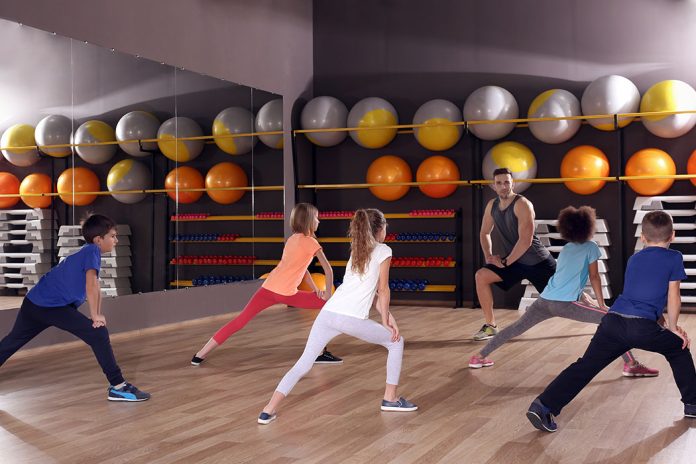
The aim of the study is to empirically explore, from a transactional approach, what happens in learning occasions when preservice teachers (PSTs) participate in a physical education teacher education (PETE) subject matter course. A practical epistemology analysis was used to explore how knowledge is produced and reproduced in PETE lessons. Two major themes were found in the analysis: indeterminate situations connected to (a) PSTs developing movement capability and (b) PSTs developing a teacher’s perspective.
‘The only person you can delegate tasks to is yourself’: Leadership challenges and turnover in national federations of sport

Between 2015 and 2019, 52 per cent of the Secretary Generals (SGs) of Norwegian sport federations left their positions. The rate is significantly higher than in the Norwegian labour market in general and poses a further difficulty for a Norwegian sport system already facing many challenges. This article by Hans Erik Næss and Tor Anders Hanssen examines why this is the case. The article provides a contribution to sport leadership research and shows how the lack of continuity among SGs in national sport federations demonstrates the need for organisational change.
Equal Abilities – The Swedish Parasport Federation and the Inclusion Process

The aim of this study by Madelene Nordlund, Kim Wickman and Staffan Karp was to map the major organizational change that is currently taking place in Swedish sports, with people labelled with disabilities leaving the Swedish Para-sport Federation (SPF) to participate in mainstream sports under the Swedish Sports Confederation. The study aimed to outline the expectations of this ongoing process of the stakeholders of the SPF.
Reflections from CrossFitters on the themes of body and community
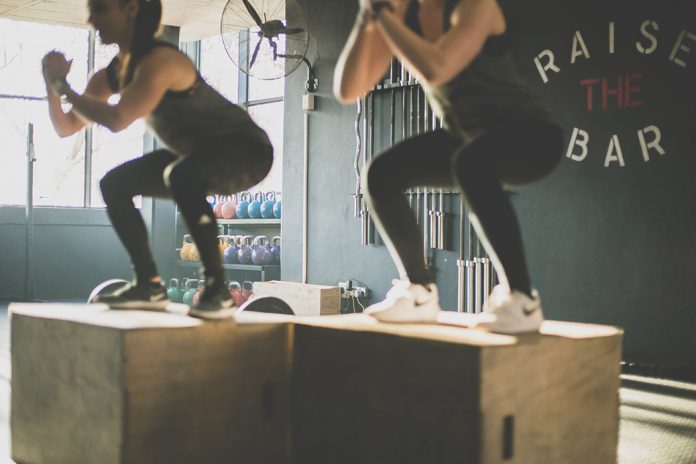
What are the reflections of a selection of CrossFitters with regard to body ideals, body-image pressure and community? In this study by Arild Boge, Ove Olsen Sæle and Hilde Stokvold Gundersen, semi-structured interviews were conducted with a selection of participants who train at a CrossFit centre in Norway. The conclusion of the study is that the unique training form and architectural design of CrossFit appear to contribute to little body-image pressure and less focus on the ideal body.
“Mission impossible”? How a successful female cross-country skier managed a dual career as a professional athlete and medical student: A case study

In this peer review article for Scandinavian Sport Studies Forum, Max Bergström, Guro Strøm Solli, Øyvind Sandbakk and Stig Arve Sæther present a case study of an Norwegian elite female cross country skier who successfully balanced the dual career of a world-class athlete and medical student. The authors highlight contextual factors facilitating and impeding the dual career development. The participant Astrid Uhrenholdt Jacobsen was a Norwegian student-athlete between 2005 and 2020.
Characteristics of voluntary sports clubs with targeted initiatives for underrepresented population groups: The role of organisational goals, resources, structure and context
The aim of this article by Karsten Elmose-Østerlund, Svenja Feiler, Christoph Breuer, Jenny Adler Zwahlen & Siegfried Nagel is to identify organisational characteristics of sports clubs that work strategically to integrate underrepresented population groups by offering targeted initiatives. Based on data from 30,000 European sports clubs, actors within all the four included aspects of organisational characteristics (goals, resources, structure and context) were found to be relevant for the implementation of targeted initiatives.
‘I’m a woman who can kick ass!’ Practices, meanings, and corporeality in female gym-goers
In this peer reviewed article for Scandinavian Sport Studies Forum, Alexis Sossa Rojas studies how frequent female gym-goers work out in different gyms in Amsterdam, how they understand and live their bodies, and what working on their bodies means to them. They are not necessarily victims of social pressures, nor are they in search of the perfect body, since their adherence to training can also re-enact a space of agency and empowerment.
Hvad sker der når gadeidræt bliver organiseret væk fra gaden? Konsekvenser af en større organisering for gadeidræt som bevægelsesform og kulturfænomen
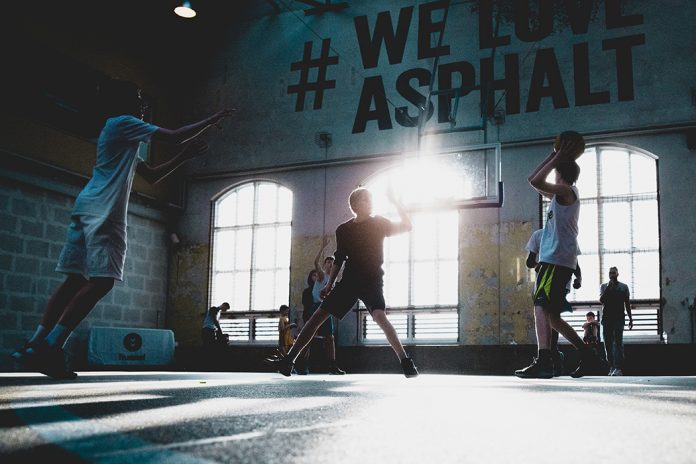
I Danmark har gatuidrott traditionellt uppfattats som en kontrast till de mer formaliserade strukturerna inom föreningsidrotten. Den nuvarande utvecklingen av danskarnas motions- och idrottsvanor mot mer självorganiserade idrottsaktiviteter har dock resulterat i ett större intresse för gatuidrott, som har utvecklats bortom ”gatan” mot mer organiserade och formella ramar. Den utvecklingen undersöks i den här referentgranskade artikeln av Magnus Kolind och Lars Domino Østergaard.