Guest Editors:
- Mahdi Latififard, Tarbiat Modares University, Iran
- Sean R. Sadri, Associate Professor of Sports Media, University of Alabama, USA
- Adam Ehsan Ali, Assistant Professor, Sociocultural Studies, Western University, Canada
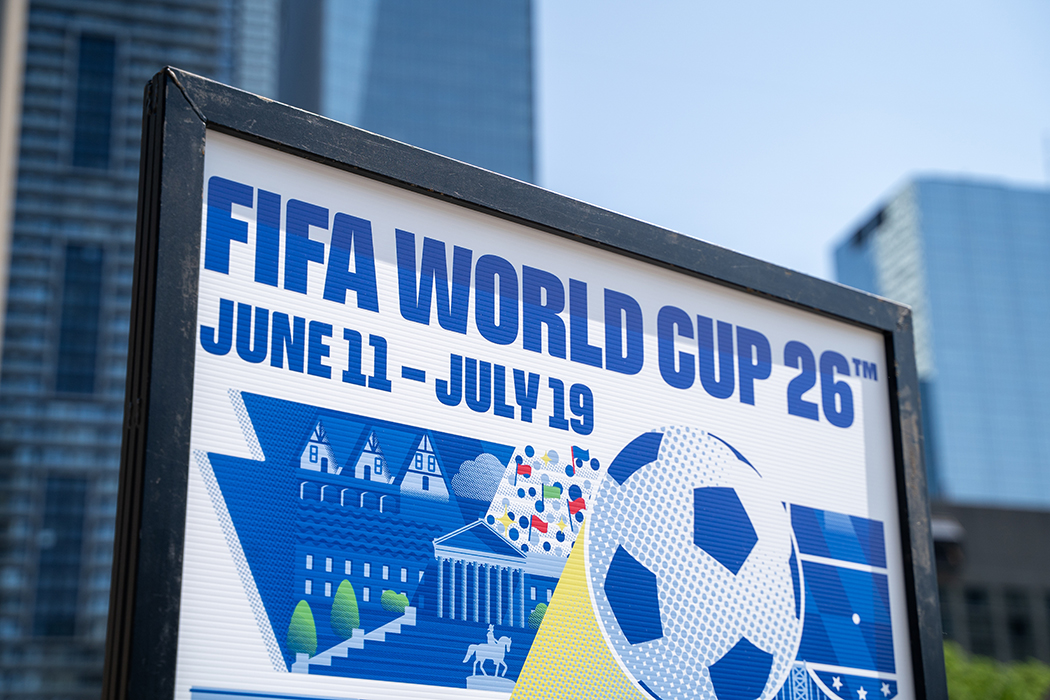
Although international sporting organizations have traditionally promoted the principle that sport should remain separate from politics, scholars have long demonstrated that sport is inherently political. In recent decades, sport has become an increasingly significant arena through which political interests, ideological rivalries, and geopolitical tensions are expressed and contested. Political leaders frequently use sport to enhance national prestige, strengthen political legitimacy, and project influence on the international stage. Likewise, sport mega-events have evolved into symbolic arenas where states compete politically when direct military confrontation is either undesirable or impossible. One notable example is the FIFA World Cup match between Iran and the United States in 1998, which was widely framed within Iran as a symbolic victory for the Islamic Republic over American imperialism and illustrates how unique circumstances surrounding sporting events can escalate political and ideological differences between nations.
This special issue explores the intersections of three closely related concepts: political conflict, media environments, and sport mega-events. Political conflict is understood as the process through which states or groups pursue incompatible political interests, values, or goals by competing over power, authority, resources, or policy.Within this context, sport mega-events become symbolic sites where political conflicts are represented, negotiated, and communicated to global audiences.
The concept of media environments encompasses both traditional and digital forms of communication. It includes newspapers, television and radio broadcasting, digital news platforms, social media, citizen journalism,organizational communication, state-controlled media, and commercial media outlets. These diverse media environments not only report on sport mega-events but also shape public understandings of political conflicts by framing events, constructing narratives, and amplifying competing geopolitical perspectives.
Sport mega-events refer to large-scale international sporting competitions that attract extensive global audiences and generate significant political, economic, and media attention. These include events such as the FIFA World Cup, the Summer and Winter Olympic Games, the Asian Games, and the European Games. Increasingly, such events serve as platforms where states pursue soft power, public diplomacy, nation branding, and strategic communication while simultaneously becoming arenas in which geopolitical rivalries and political conflicts are mediated and contested.
By bringing these three concepts together, this special issue seeks to advance our understanding of how contemporary media environments mediate political conflicts through sport mega-events and how these events have become important sites for the production, circulation, and context of geopolitical narratives.
Scope and Suggested Topics
We invite original contributions that explore the intersections of media, geopolitics, and interstate conflict. Possible topics include, but are not limited to:
- Media representations and framing of wars, political conflicts, and geopolitical tensions during sport mega-events.
- The role of traditional and digital media in escalating or de-escalating political and diplomatic tensions surrounding sport mega-events.
- Sports journalism, strategic communication, and propaganda in contexts of geopolitical conflict.
- Social media, digital platforms, and citizen journalism in shaping public narratives of sport and political
- The exclusion, suspension, or participation of states, athletes, and national teams in sport mega-events as responses to political
- Diplomatic boycotts, sanctions, and other forms of political contestation surrounding international sporting
- Athlete activism, fan engagement, and public responses to political conflicts during sport mega-events.
- Comparative analyses of media systems and their coverage of geopolitical tensions surrounding sport mega-events.
- Longitudinal analyses of media discourses on political conflict and international sport.
- Sport mega-events as arenas of soft power and geopolitical competition.
- Emerging theoretical and methodological approaches to studying media, political conflict, and sport mega-events.
Submission Guidelines
Proposals should include the following information:
- A proposed title.
- An abstract of 200–300 words (clearly highlighting the focus on interstate/political conflict).
- Author name, affiliation, and contact
Note: Only proposals accepted at the abstract stage will be invited to submit a full manuscript.
Important Dates
- Deadline for initial proposals: 1 December
- Notification of acceptance: 1 February
- Full manuscript submission: 6–9 months following notification of acceptance (exact deadline to beconfirmed)
Contact Information
Please submit your proposals and any inquiries to:
Mahdi Latififard, email: Mahdilatififard@gmail.com